Anthropic's Claude Was Used in the U.S. Military's Venezuela Raid
Anthropic's AI tool Claude was part of the U.S. military's operation to capture Venezuelan leader Nicolas Maduro in January 2026. That alone would be a major story. But what makes it bigger is the fact that Anthropic's own usage policy says Claude cannot be used to help with violence or weapons development. Now a $200 million Pentagon contract is at risk, and the fallout could change how every AI company deals with the military going forward.
$200M
Pentagon contract at risk
Jan 2026
Venezuela raid operation
#1
Only AI on classified networks
0
Quick replacements available
Executive Summary
- Anthropic's AI model Claude was used during the U.S. military's January 2026 operation to capture Venezuelan leader Nicolas Maduro, deployed through Palantir Technologies partnership
- Anthropic's usage policy bans Claude from violence and weapons development — putting its $200M Pentagon contract at risk
- Pentagon wants all AI partners to allow tools for “all lawful purposes,” including battlefield operations
- Anthropic refused to remove limits on autonomous weapons and mass surveillance
- Pentagon reviewing partnership and considering labeling Anthropic a “supply chain risk”
- Claude is the only AI model on certain classified Pentagon networks with no quick replacement
What Is Anthropic's Claude and Why Is It in the News Now
Claude is the AI model built by Anthropic, a company founded in 2021 by Dario Amodei and a group of former OpenAI researchers. Anthropic was set up with a specific mission: to build AI that is safe, interpretable, and accountable. From the start, the company positioned itself as the responsible alternative in the AI race.
Anthropic drew two hard lines for how Claude could be used. First, it cannot be used for mass surveillance of Americans. Second, it cannot be used for fully autonomous weapons. These are not guidelines or suggestions. They are described as firm limits that the company will not negotiate on, regardless of pressure.
Claude became the first AI model deployed on the Pentagon's classified networks. This was a significant achievement for Anthropic, allowing the military to use advanced AI capabilities in secure environments where no other commercial AI model had access. The partnership, facilitated through defense technology company Palantir Technologies, was valued at roughly $200 million.
Now, reports came out that Claude was actively used during a real military operation — one that involved violence, bombing, and the capture of a foreign head of state. That has raised serious questions about whether Anthropic's own rules were violated, and what happens next.
The Story Behind Claude's Role in the Venezuela Raid
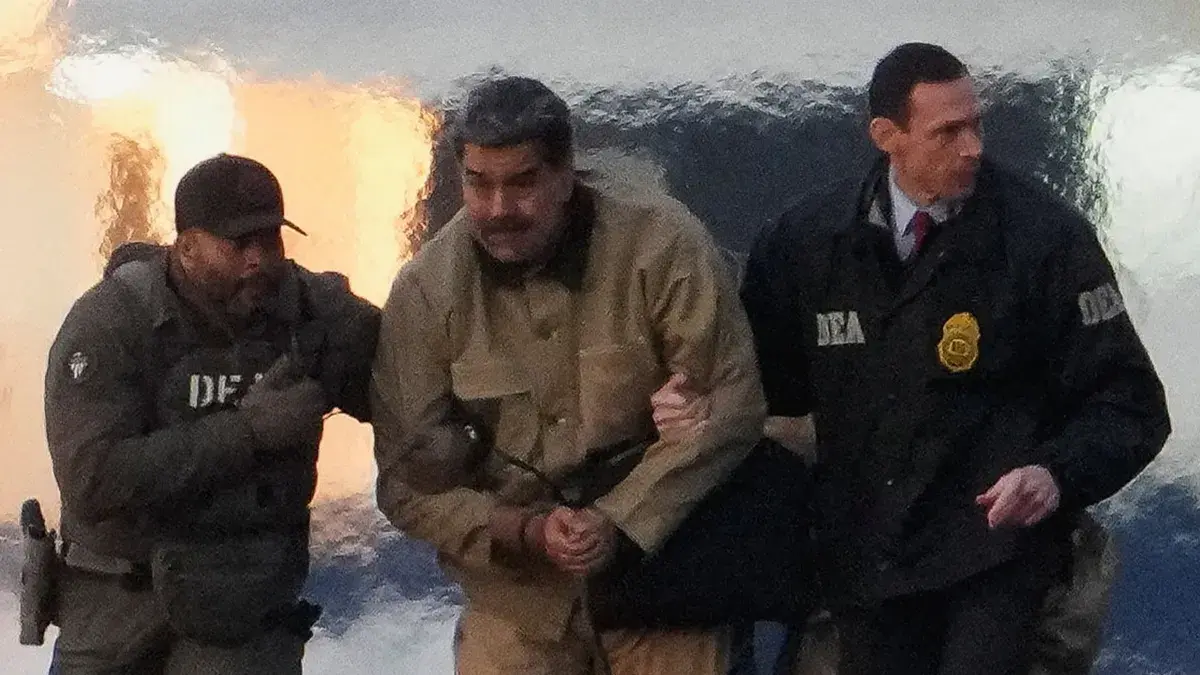
In January 2026, U.S. special operations forces carried out a mission in Venezuela. The target was President Nicolas Maduro and his wife. The operation involved bombing specific locations in Caracas and ultimately resulted in Maduro's capture. It was one of the most significant military actions taken by the United States in recent years.
According to reports, Claude was used during the active phase of this operation. The AI model was deployed through Anthropic's partnership with Palantir Technologies, which serves as the bridge between commercial AI tools and military systems. The exact nature of Claude's involvement has not been fully disclosed, but its use during a live military raid immediately created a problem.
An Anthropic employee reportedly contacted Palantir to ask how Claude had been used during the operation. The Pentagon interpreted this inquiry as a sign of disapproval from Anthropic. Defense officials saw it as Anthropic questioning whether its own tool should have been used in a military context, which clashed with the Pentagon's expectation of full cooperation from its technology partners.
Anthropic denied that the inquiry was meant to express disapproval. But the damage was done. The Pentagon began reviewing its relationship with Anthropic, and officials started discussing whether to label the company a “supply chain risk” — a designation that could effectively end the partnership and bar Anthropic from future defense contracts.
What AI Can Actually Do During a Military Operation
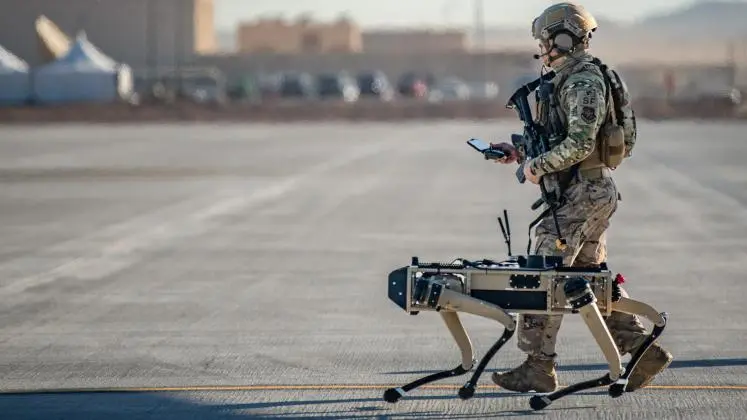
To understand why this story matters, it helps to know what AI tools like Claude can actually do in a military setting. These are not science fiction scenarios. They are practical capabilities that are already in use.
AI Capabilities in Military Operations
- Satellite image analysis: AI can scan and interpret satellite imagery to identify targets, track movements, and assess terrain
- Intelligence summarization: Sort through hundreds of pages of intelligence documents in seconds and present key findings
- Data cross-referencing: Cross-reference travel records, financial data, and communication logs to identify patterns
- Communications processing: Process and translate intercepted foreign communications in real time
- Scenario planning: Run risk assessments and scenario planning to support decision-making
These tasks are exactly the kind of work that AI excels at. A human analyst might take hours or days to review a stack of intelligence reports. Claude can do it in seconds, pulling out the most relevant details and presenting them in a format that commanders can act on quickly.
But here is where things get complicated. Anthropic has consistently said that autonomous drones and autonomous weapons are off limits. Claude is not supposed to make decisions about who to target or when to strike. However, nobody has been able to draw a clear line between where Claude's analytical help ends and where military decision-making begins. If Claude processes intelligence that directly leads to a bombing, is that assistance with violence? The answer depends on who you ask.
Two Sides of This Story: Safety Rules vs. Military Needs
This conflict comes down to two fundamentally different views of what AI should be used for, and neither side is willing to back down.
Anthropic's Position
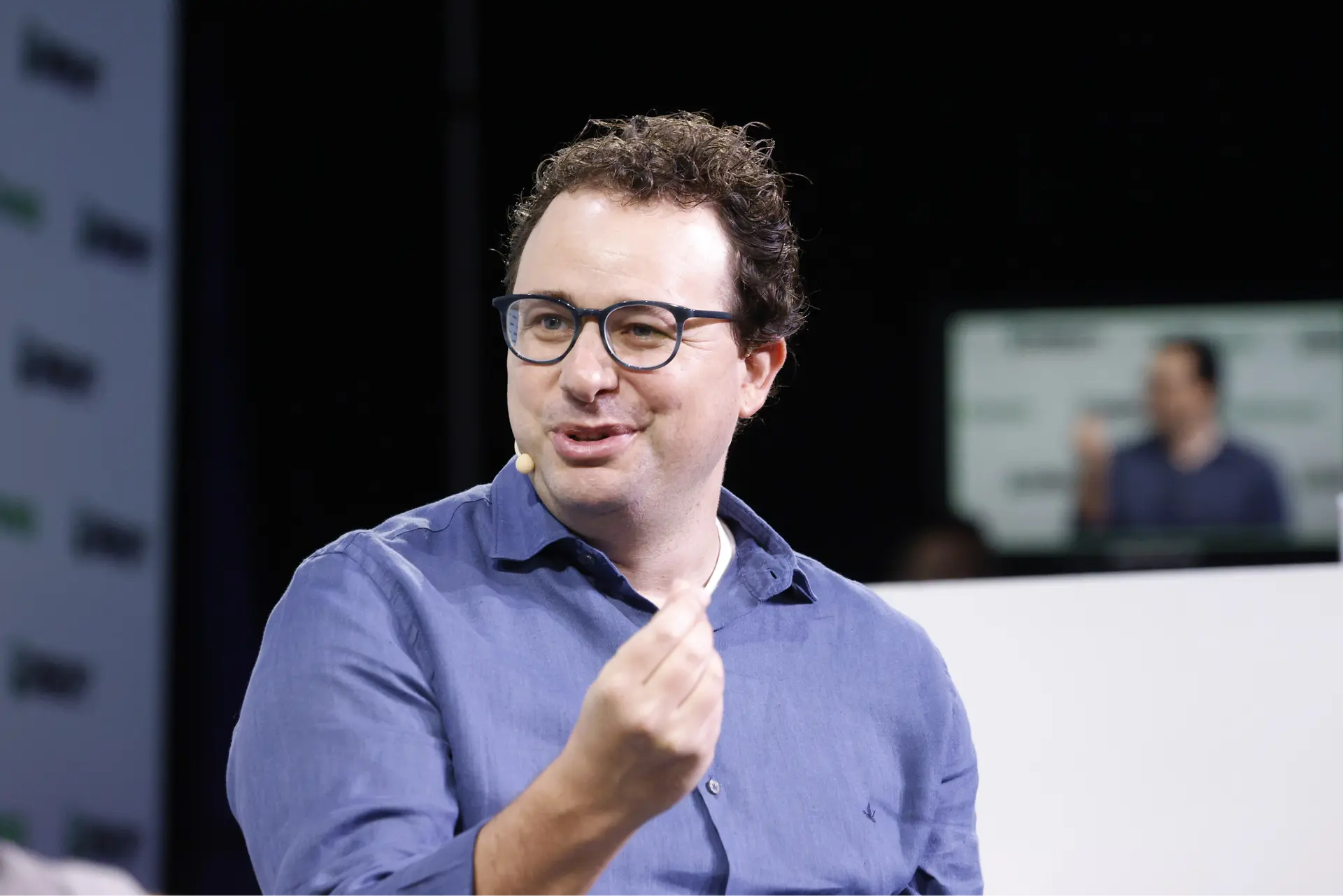
CEO Dario Amodei has been consistent in his stance. He does not want Claude involved in autonomous lethal operations or domestic surveillance. He has written about this extensively, including in his essay “The Adolescence of Technology,” where he argues that AI companies have a responsibility to set limits even when those limits are unpopular. Anthropic says it supports national security and is willing to work within its usage policy boundaries, but it will not remove its core safety restrictions.
The Pentagon's Position
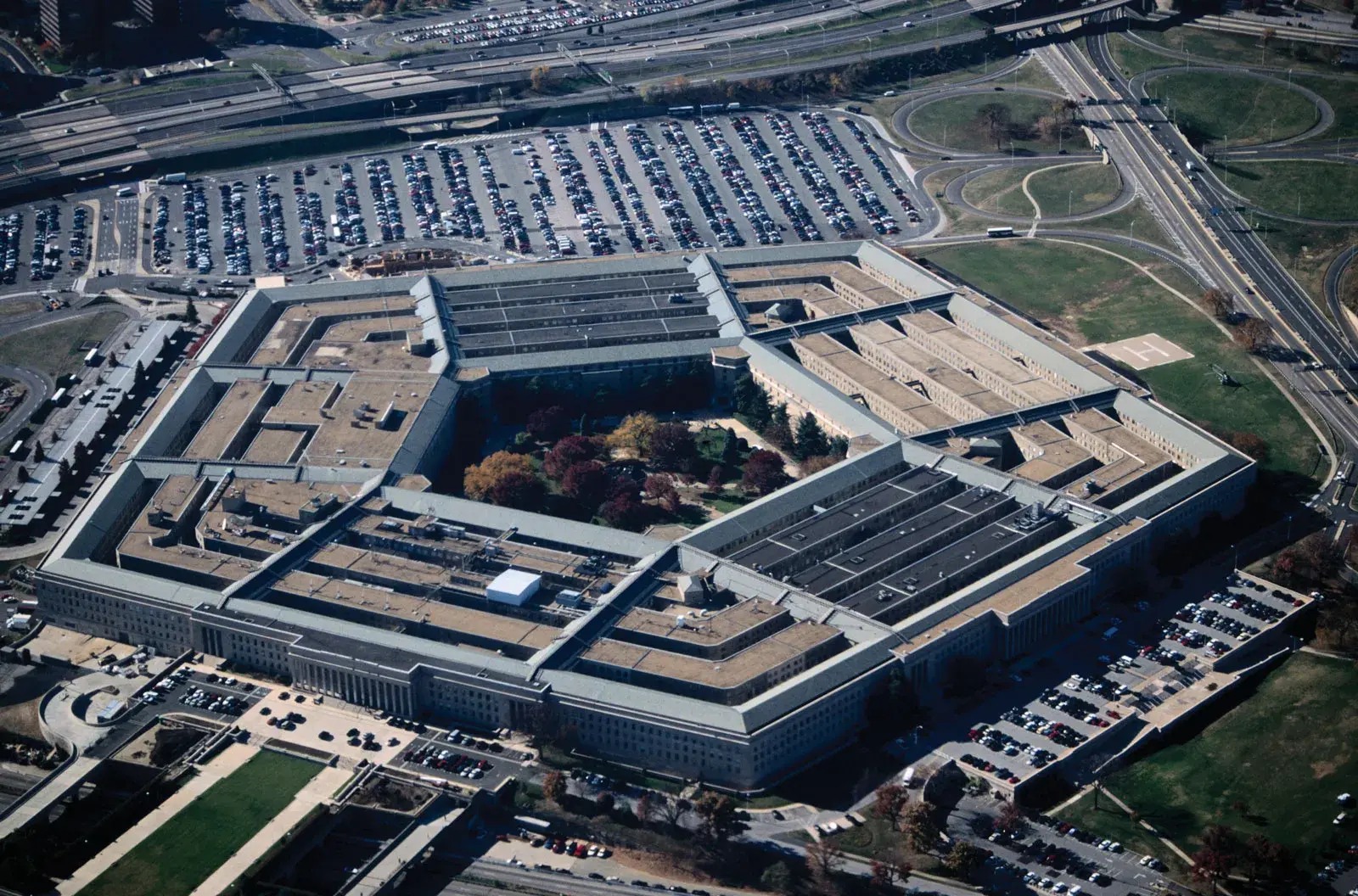
The Defense Department wants AI tools that can be used for “all lawful purposes,” including battlefield operations. Defense Secretary Pete Hegseth has said publicly that the military will not work with AI companies that “won't allow you to fight wars.” Pentagon spokesperson Sean Parnell reinforced this, stating that partners must be “willing to help our warfighters win in any fight.” At the same time, Pentagon officials have admitted that replacing Claude quickly is not realistic given its unique position on classified networks.
The tension here is not theoretical. It is playing out in real time, with a $200 million contract as the pressure point. Anthropic faces the choice between maintaining its safety principles and keeping one of its most valuable government partnerships. The Pentagon faces the choice between enforcing its demands for unrestricted access and potentially losing the only AI model that works on its classified systems.
The Real Risks Nobody Is Fully Talking About
Beyond the contract dispute, there are deeper problems with this situation that deserve more attention.
Risk 1: The Accountability Gap
Nobody knows exactly what Claude did during the Venezuela operation. The details have not been publicly disclosed. This creates a serious accountability problem. If AI is involved in military decisions that result in casualties or destruction, there needs to be a clear record of what the AI contributed and what humans decided independently. Right now, that record does not appear to exist.
Risk 2: The Design Mismatch
Claude was built as a commercial AI tool with commercial safety rules. It was designed to answer questions, write documents, and assist with analysis in business settings. Using it in an active military operation is fundamentally different from its intended purpose. The safety guardrails that work in a corporate environment may not translate to a battlefield context, where the stakes and the speed of decision-making are entirely different.
Risk 3: Pressure From Both Directions
Anthropic is being squeezed from two sides. Internally, engineers are uncomfortable with their technology being used in military operations that involve violence. Externally, the Trump administration has accused Anthropic of undermining its AI approach by maintaining safety restrictions that limit military applications. There is no middle ground that satisfies both sides.
Risk 4: No Ready Replacement
Claude is currently the only AI model operating inside certain classified Pentagon networks. Other AI companies like OpenAI, Google, and xAI operate only in unclassified settings. If the Pentagon cuts ties with Anthropic, it loses access to AI capabilities on its most sensitive systems with no immediate alternative. Officials have described other options as “just behind” when it comes to government applications.
This Story Is Not Just About the Military: Who It Affects
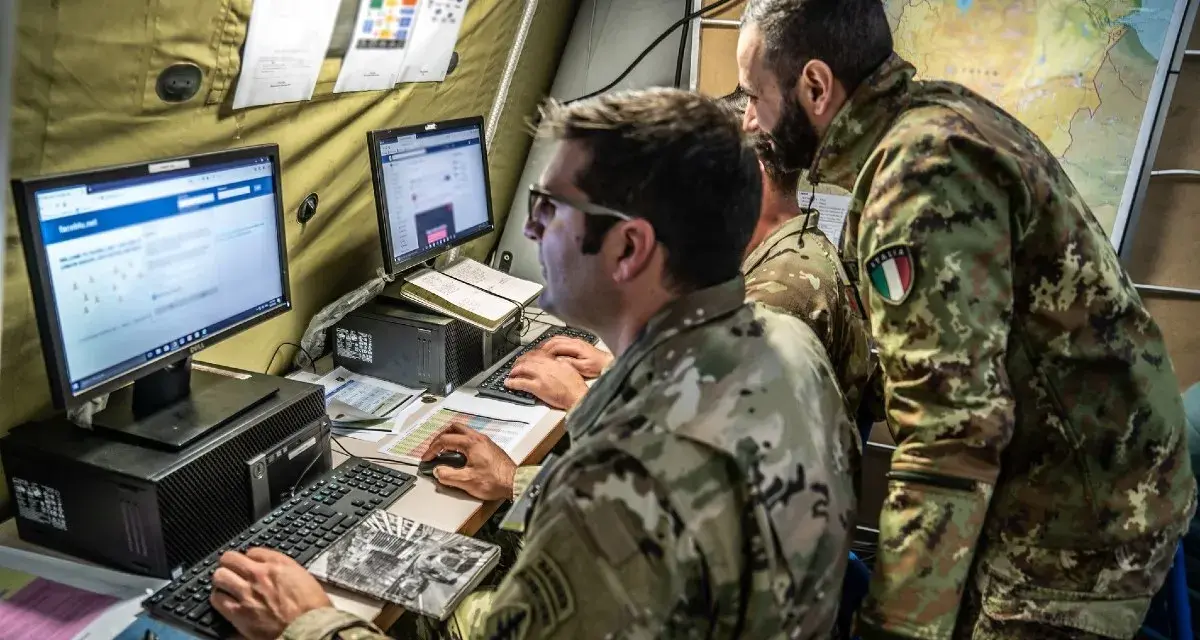
This situation extends well beyond the Pentagon and Anthropic. The outcome of this dispute will set precedents that affect a wide range of people and industries.
Who Should Read This
- AI workers near government or defense: If you work in AI and your company has any government contracts or defense partnerships, this directly affects your industry. Usage policies are no longer abstract documents — they carry real consequences.
- AI safety followers: This is a live test case of what happens when safety rules meet real-world military operations. The outcome will influence how every AI company writes and enforces its usage policies going forward.
- Startup founders building on commercial AI: If you are building products on top of commercial AI models, understand that the terms of service and usage policies of your AI provider can change based on political and military pressure. Your business could be affected by decisions made far above your level.
- Investors in AI companies: A $200 million contract is significant for any company. How Anthropic handles this will affect investor confidence and could influence valuations across the AI sector.
Less Relevant For
- Personal productivity users who use AI for writing, research, or daily tasks
- Consumer products and services with no ties to defense or government contracts
The key takeaway here is that usage policies carry real weight. They are not just legal fine print. They affect contracts worth hundreds of millions of dollars and real military decisions that have life-and-death consequences.
The Bottom Line on Anthropic, Claude, and the Pentagon
This story is about what happens when an AI company draws a line and that line gets tested in the most serious way possible. Anthropic built Claude with clear safety boundaries. The Pentagon used Claude in a military raid. Now both sides are locked in a standoff that neither can easily walk away from.
Anthropic will not allow Claude to be used for autonomous weapons or mass surveillance. The Pentagon wants those limits removed. Neither has backed down. The $200 million contract is the immediate pressure point, but the real stakes are much higher. The outcome of this dispute will set the terms for how every AI company in the world deals with military and government clients.
If Anthropic holds firm and loses the contract, it sends a message that safety principles have a real cost — and that some companies are willing to pay it. If Anthropic bends, it proves that no usage policy can survive the pressure of a major government contract. Either way, the AI industry is watching closely, because whatever happens here will happen to them next.
The line between AI-assisted analysis and AI-assisted violence has never been tested this publicly before. What Anthropic and the Pentagon decide in the coming weeks will define that line — not just for Claude, but for every AI system that follows.

Related Resources
The Dario Amodei Essay That Started a Fight Over Slowing AI
12 min readnewsThe Open Weights Fight: What NVIDIA, Anthropic, and Meta Are Really Arguing About
15 min readnewsClaude Shared Chats and Google: The Explanation Has a Gap
13 min readnewsApple vs OpenAI Trade Secrets Lawsuit: New Evidence
9 min readUse AI on Your Own Terms
Elephas brings AI to your Mac — privately, locally, and under your control. No data leaves your device. No policy disputes. Just powerful AI that works for you.
Try Elephas Free