Apple WWDC 2026: Siri AI, iOS 27, and Tim Cook's Final Keynote, Explained
Apple WWDC 2026 opened on June 8 at Apple Park in Cupertino with more riding on it than any keynote in years. It was Tim Cook's last as CEO before John Ternus takes the job, and it followed a rough stretch for the company's AI work.
The smarter Siri Apple promised back in 2024 never shipped, and the company settled a class-action suit over it. So the job this year was simple. Prove the new Apple Intelligence and Siri are real. Apple delivered a careful, polished comeback, and reviewers still caught what it left unsaid. What the system already delivers on a Mac today is mapped in our Apple Intelligence guide.
6
Apple platforms updated to version 27
$1B/yr
Reported Google Gemini deal behind Siri AI
Sept 1
John Ternus becomes Apple CEO
$95
Per-device payout in the 2024 Siri settlement
Executive Summary
- Apple WWDC 2026 centered on Siri AI, a near-total rebuild of the assistant, plus the next generation of Apple Intelligence across iOS 27, iPadOS 27, macOS 27 Golden Gate, watchOS 27, visionOS 27, and tvOS 27.
- The new Siri runs on a custom Google Gemini model, with the heaviest requests handled on Google Cloud servers that Apple says are locked down so Google cannot read or keep the data.
- Much of the keynote went to performance and design fixes, including faster apps, faster AirDrop, and a slider that controls how transparent Liquid Glass looks.
- New parental controls let parents approve apps, websites, and contacts, and schedule screen time by app type.
- Siri AI skips the EU and China at launch and needs an iPhone 15 Pro or newer, so an iPhone 11 running iOS 27 will not get it.
Apple WWDC 2026's quiet theme: fixing the back end
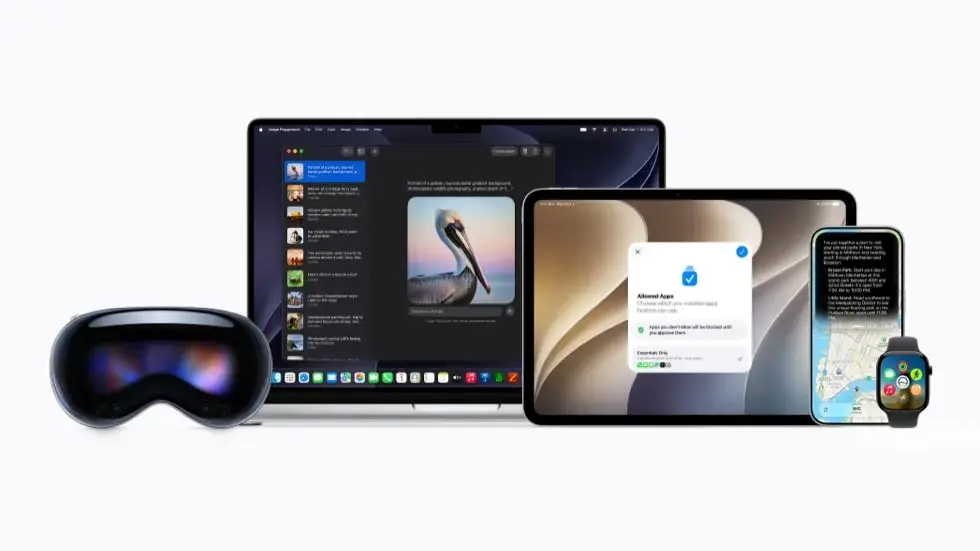
Before any of the AI news, Apple spent its early minutes on cleanup, which is unusual for a keynote. This year's software leans less on new features and more on smoothing the rough edges that piled up after recent updates.
- Apple says apps now load up to 30% faster, and photos appear in your library up to 70% faster after you shoot them.
- AirDrop transfers are up to 80% faster, iPad external-drive transfers up to 5x faster, and Vision Pro Wi-Fi up to 3x faster.
- Spotlight indexing is more complete, which also feeds the new Siri when it pulls up files and messages.
- For developers, Xcode 27 can write and run tests using AI models from Anthropic, Google, and OpenAI.
- Every speed figure shipped as an “up to” number, with Apple's own test devices buried in the footnotes.
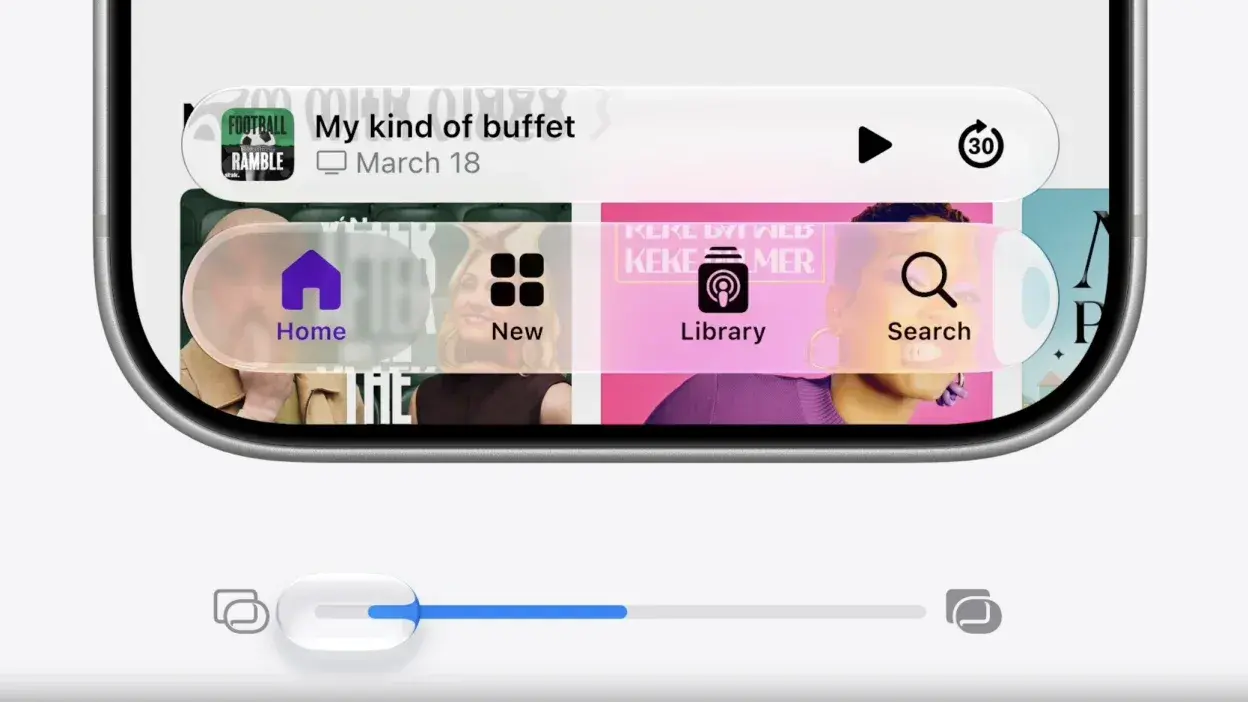
The visual changes are smaller but pointed. Apple toned down Liquid Glass, the transparent look it pushed last year, after months of complaints that text got hard to read.
Rather than pick one setting, it added a slider so you choose how clear or tinted the glass looks, alongside tighter corner radii and sidebar icons that got their color back. The fuller rundown of the smaller tweaks sits in TechCrunch's everything announced recap.
A grab bag of smaller wins rounded it out. AirPods finally got a custom EQ, Vision Pro can now use your own panorama photos as environments, and the Health app added tracking for perimenopause and menopause.
The same refresh reached the rest of the lineup. watchOS 27 and tvOS 27 picked up the new look, and watchOS dropped support for some older Apple Watch models in the process.
Siri AI and the next generation of Apple Intelligence
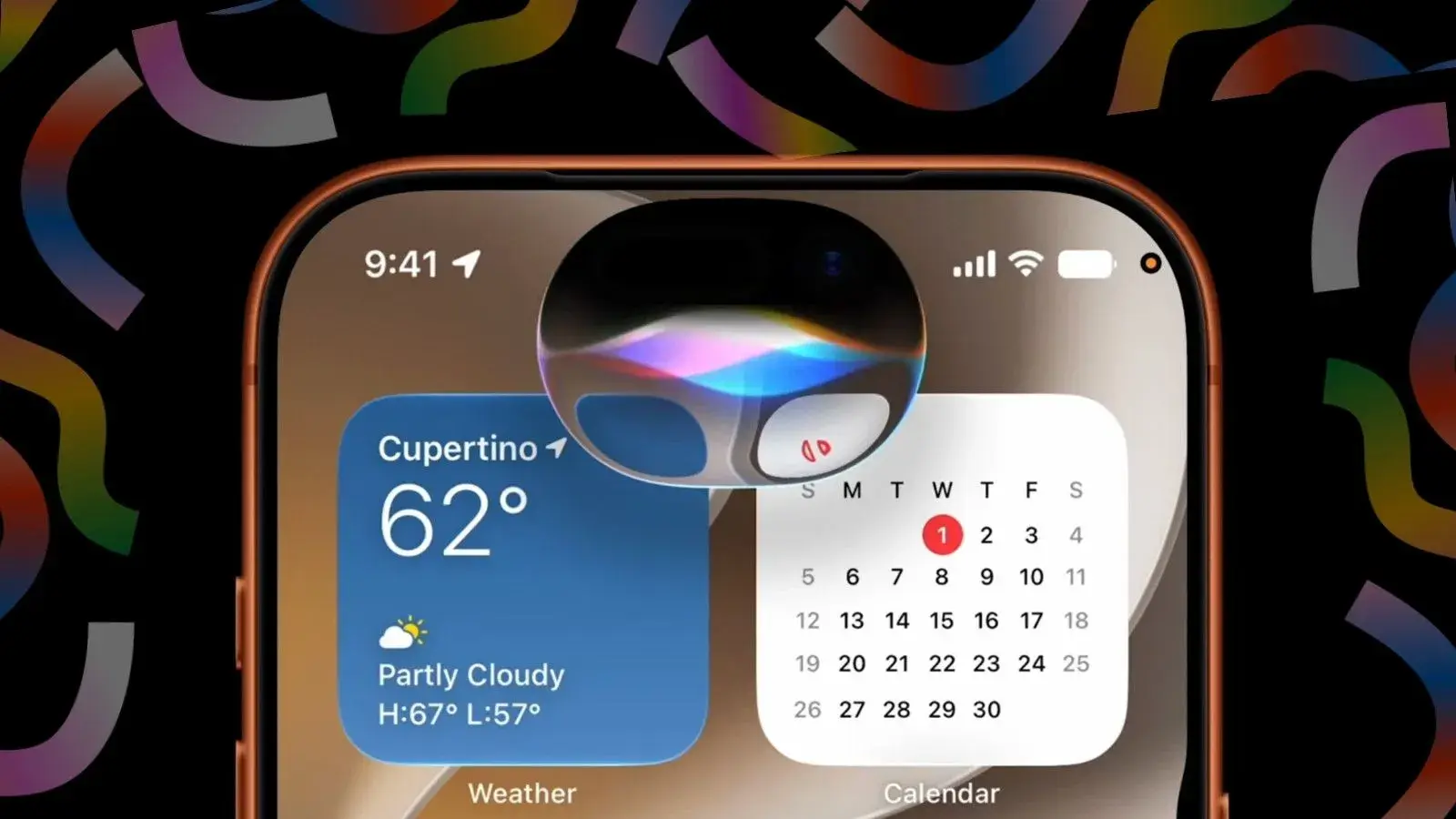
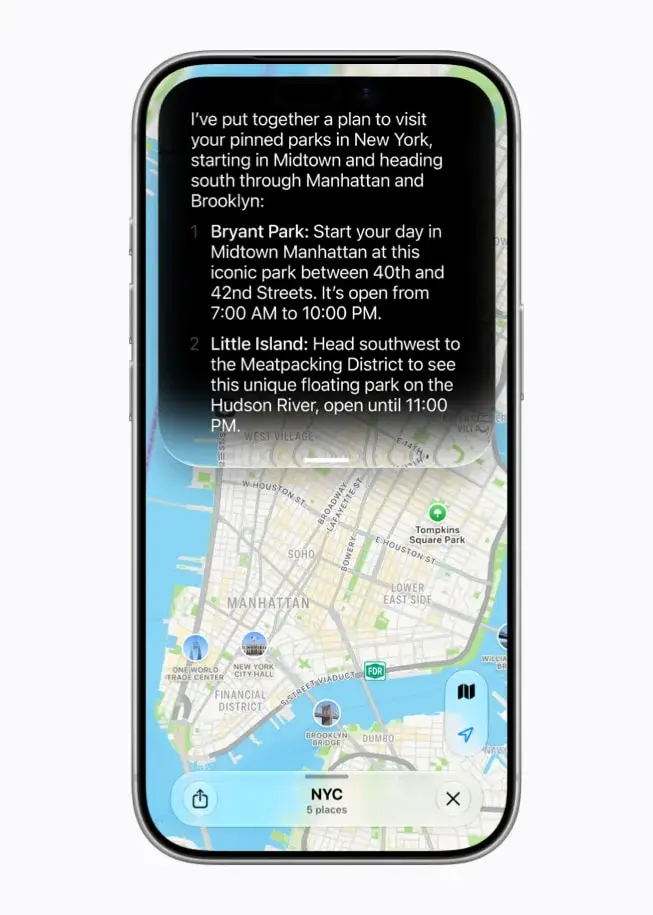
The headline was Siri AI, and it is a near-total rebuild. You trigger it by swiping down from the Dynamic Island or holding the power button, and it answers in a conversational chat with a new look and a more expressive voice.
It can hold a real back-and-forth, cite its sources, and let you tap through to them. The capabilities themselves break little new ground, and that is on purpose.
- Screen awareness lets you ask “where is this?” about a photo on screen without spelling out what you mean.
- Personal context means it reaches your messages, photos, and calendar to surface the right thing at the right time.
- It can take in-app actions, like sending a message, adding a calendar event, or setting a reminder.
- A dedicated Siri app saves your more interesting conversations and syncs them across Mac, iPad, and iPhone.
- Image Playground makes more photorealistic images, and the new AI features need an iPhone 15 Pro or newer.
Apple spread the same intelligence around the system. Safari can group your tabs and watch a page for changes, a wider Visual Intelligence feature reads what is on screen, and the camera gained a Siri mode that answers questions about whatever you point it at.
The new Siri runs on a custom Google Gemini model. Reporting puts the deal near $1 billion a year, and the heaviest requests run on Google Cloud servers, which Apple wraps in its Private Cloud Compute system and hardware-level encryption so the data stays sealed off.
Apple's pitch is that requests are anonymized and encrypted on those servers so Google cannot read them or tie them to you, and that nothing is stored after a request.
What the new Siri does not do is act on its own. It will set a reminder to grab tickets, but it stops short of the agentic ticket-buying Google was showing off at I/O a few weeks earlier. Apple chose the safe lane.
Parental controls take the center of the keynote
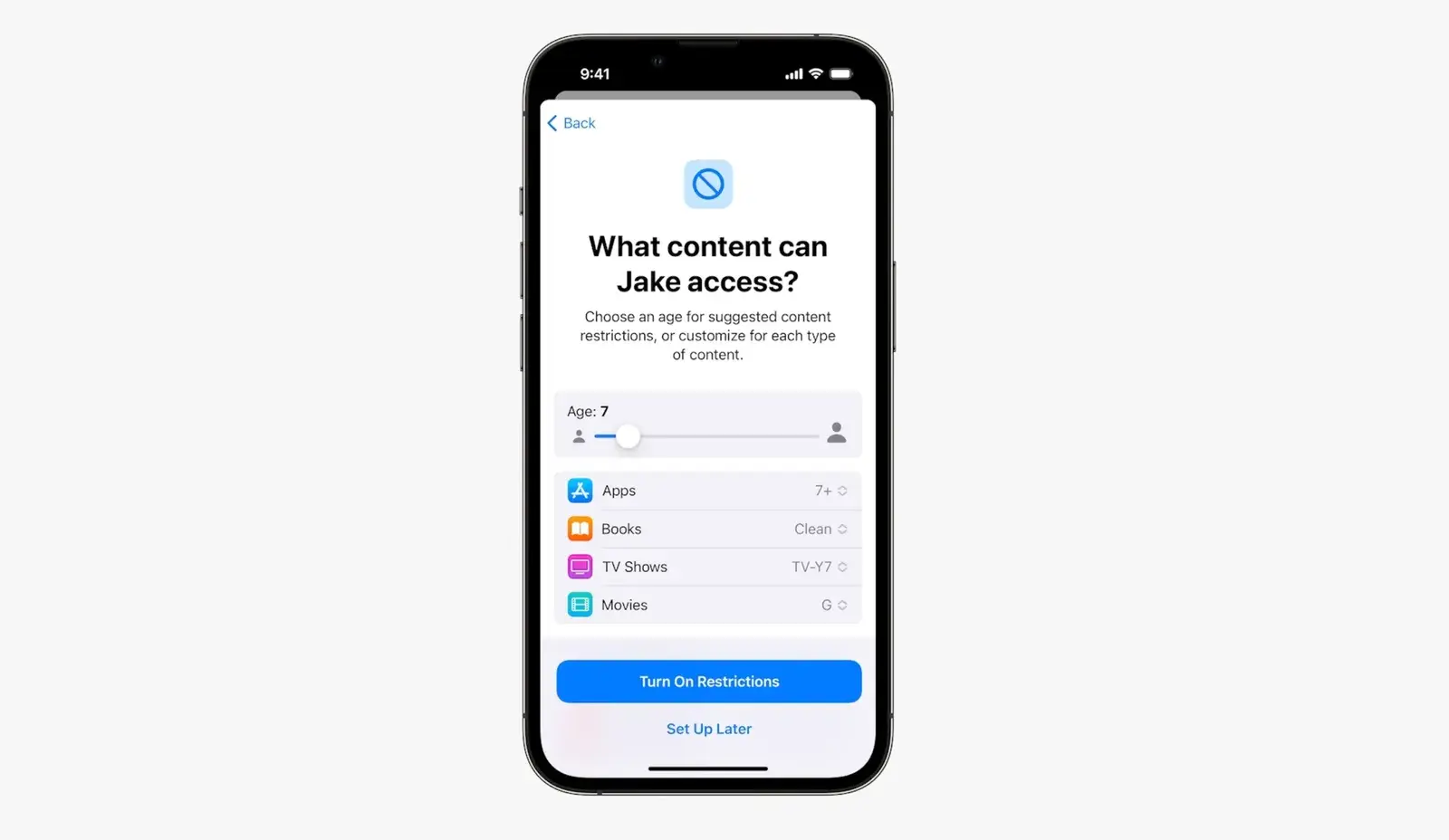
Just before the AI reveal, Apple took a long detour into child safety, and it filled the whole middle of the keynote under a banner of trust and safety. The idea is to give parents real control over what a kid can see and do.
- A child account ties to a parent account, and the parent signs off on the decisions that matter.
- Any time a kid tries to download an app, the parent gets a ping and can approve or deny it.
- The same approval kicks in the first time a child visits a new website or messages a new contact.
- Screen-time controls got more granular, so school apps work by day while games and social media stay off until evening.
Both readings can be true at once. The controls answer real worries about what kids reach online, and they also start a child on an iPhone as young as possible, which tends to mean an iPhone-owning adult later.
Reviewers called that mix a genuine safety win and a quiet play to lock in the next generation of buyers.
What the reviewers really thought
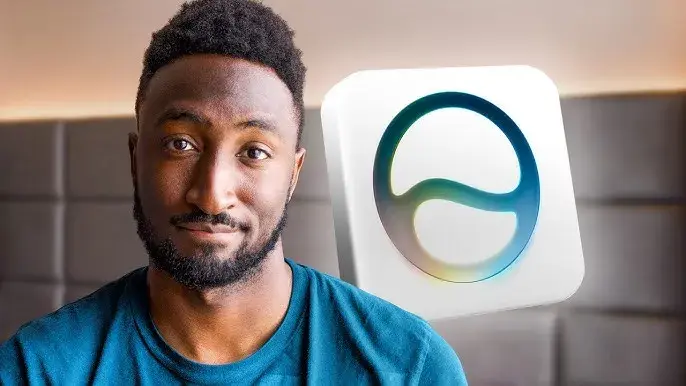
The people who watch every Apple keynote landed in a similar place, which was solid and careful, if a little safe. Marques Brownlee described the new Siri as straight down the middle, exactly what you would expect and nothing more, with no real letdowns either.
Arun Maini of MrWhoseTheBoss said Apple got the design right while leaving question marks around how well it all works. He was blunter about where the smarts actually come from.
- Both flagged that Apple's “up to” numbers oversell how much the changes will feel in everyday use.
- Maini's sharpest point was that Apple pays Google around $1 billion a year, so most of what the new Siri does, Gemini already did.
- Apple's real effort went into packaging and integration, not raw model ability.
- Brownlee noted small quirks already, like Siri showing its transcription after you finish talking instead of as you speak.
- Maini found it telling that a keynote with these stakes still opened by talking up the corner radius on Mac windows.
- A few moments landed as tone-deaf, and the polished demos were rehearsed, not real-world tests.
Brownlee's better point was about the moat. ChatGPT, Claude, and Gemini are strong on their own, but they cannot read your iMessages or your Apple calendar.
The new Siri can, because it indexes what already lives on your phone, and that is the one advantage no rival can copy. It also explains the caution, since a year earlier Apple had to settle a lawsuit for up to $95 a device over a Siri it promised but could not ship.
The catch: where Siri AI won't work yet
The polish comes with fine print, and Siri AI skips two of the biggest markets at launch. In the European Union, Apple says regulators rejected its proposals, and that the Digital Markets Act would force it to give any AI system near-total, autonomous access to a device.
So iOS 27 and iPadOS 27 ship in the EU without Siri AI, though Mac and Vision Pro users there still get it.
- China is blocked too, held up by local rules that require generative AI to clear a government approval process first.
- An iPhone 11 can install iOS 27, but it will not run Siri AI, which needs an iPhone 15 Pro or newer.
- macOS 27 Golden Gate runs only on Apple-silicon Macs and is the last version with full Rosetta 2 support.
- Developer betas are out now, a public beta lands in July, and the software ships this fall.
The EU standoff is its own running fight. Apple frames it as a safety line it will not cross, while regulators frame it as Apple dragging its feet.
Apple laid out its side in a post explaining why Siri AI is delayed in the EU, so the same iPhone now runs a different Siri depending on where you bought it.
What happens next
The real test starts after the keynote. Apple leaned on a run of demos showing the software actually working to make a point about trust, but the betas this summer and the public release this fall are where the new Siri either holds up or repeats 2024.
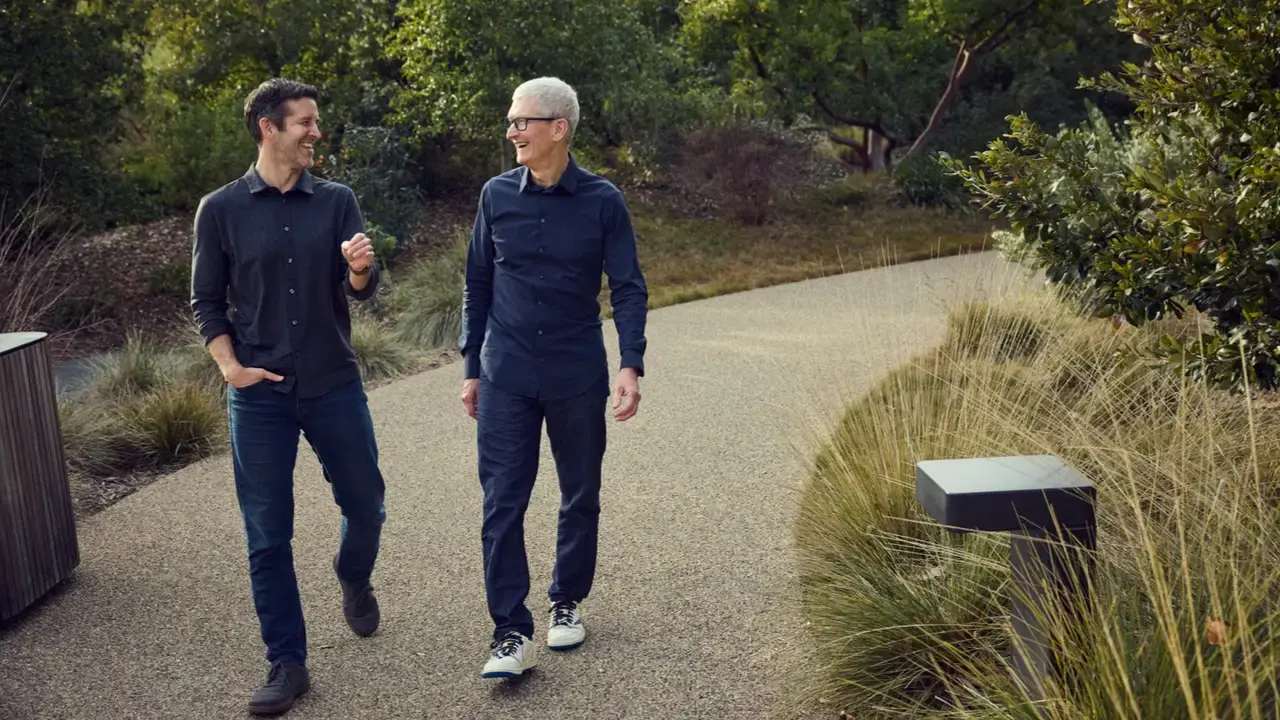
There is a leadership change underneath all of it, since Tim Cook hands the company to John Ternus on September 1. Apple bought itself a careful comeback by leaning on Google's model and on the one thing rivals cannot reach, everything already sitting on your phone.
Sources
- TechCrunch: WWDC 2026, everything announced
- Apple Newsroom: Why Siri AI is delayed in the EU (DMA)
- 9to5Mac: Apple reaches $250M settlement over Siri delays
- Apple Newsroom: Tim Cook to become Executive Chairman, John Ternus to become CEO
- CNBC: Apple WWDC 2026 keynote and Siri AI reveal
- Marques Brownlee (MKBHD): WWDC 2026 reaction
- Arun Maini (MrWhoseTheBoss): WWDC 2026 reaction