Siri vs Alexa in 2026: Which Assistant Wins After the AI Overhaul?
Last updated: July 2026
For years, choosing between Siri and Alexa was really a question of which one would set a timer or play music without arguing back. In 2026, that question changed. Apple and Amazon both rebuilt their assistants from the ground up this year, and both rebuilds quietly pushed more of what you say off your device and into the cloud. This comparison walks through what that shift means for reliability, smarts, your smart home, price, and above all your privacy, so you can tell which one, if either, belongs in your home.
Quick answer
- Siri wins on privacy and price: it leans on-device and costs nothing beyond your Apple hardware, but it only works on Apple devices.
- Alexa wins on smart-home breadth and cost: Alexa+ controls the most devices and is free for Prime members (or $19.99 a month), but it sends every voice command to the cloud.
- Both got less private in 2026: Siri's new brain runs on a Google Gemini backend with a ChatGPT handoff, and Amazon removed Alexa's last local-only voice option.
- Neither is reliable yet: both still miss basic commands, so pick on ecosystem and privacy, not on raw intelligence.
- Mixed Apple-and-Android home? They can run side by side, but neither controls the other's core ecosystem, so let your main phone decide.
- Want private AI on a Mac instead? If keeping your data off the cloud matters more than voice control, Elephas runs local LLM models on your Mac, so your text never leaves your device. Free to try, plans from $19/month.
Alexa vs Siri in 2026: Why the AI Overhaul Rewrote the Comparison
Neither Siri nor Alexa wins outright as your voice assistant in 2026. Siri is the pick for privacy and price: it leans on-device and costs nothing beyond Apple hardware. Alexa wins on smart-home breadth and cheap Echo devices, but sends every voice command to the cloud, so choose on ecosystem and privacy.
Siri is free with iOS 27 and leans on-device, but its brain now runs on a Google Gemini backend with a ChatGPT handoff, and it is locked to Apple hardware. Alexa+ is free for Prime members (or $19.99 a month) and controls more smart home devices, but sends every voice command to the cloud.
The old question of Alexa vs Siri was about features and how many devices each voice command could switch. The 2026 question is different: both companies rebuilt their assistants this year, with Apple's Apple Intelligence overhaul and Amazon's paid Alexa+, and both rebuilds moved more of your voice into the cloud.
Amazon began removing its only local-processing voice setting in March 2025, with none left by the February 2026 Alexa+ rollout. Apple markets on-device privacy, but its new models come from a January 2026 Google deal, and hard questions go to OpenAI's ChatGPT, so "which is smarter" sits beside "which one hears more of your life."
How We Compare the Two Assistants: The Voice Assistant Criteria That Matter in 2026
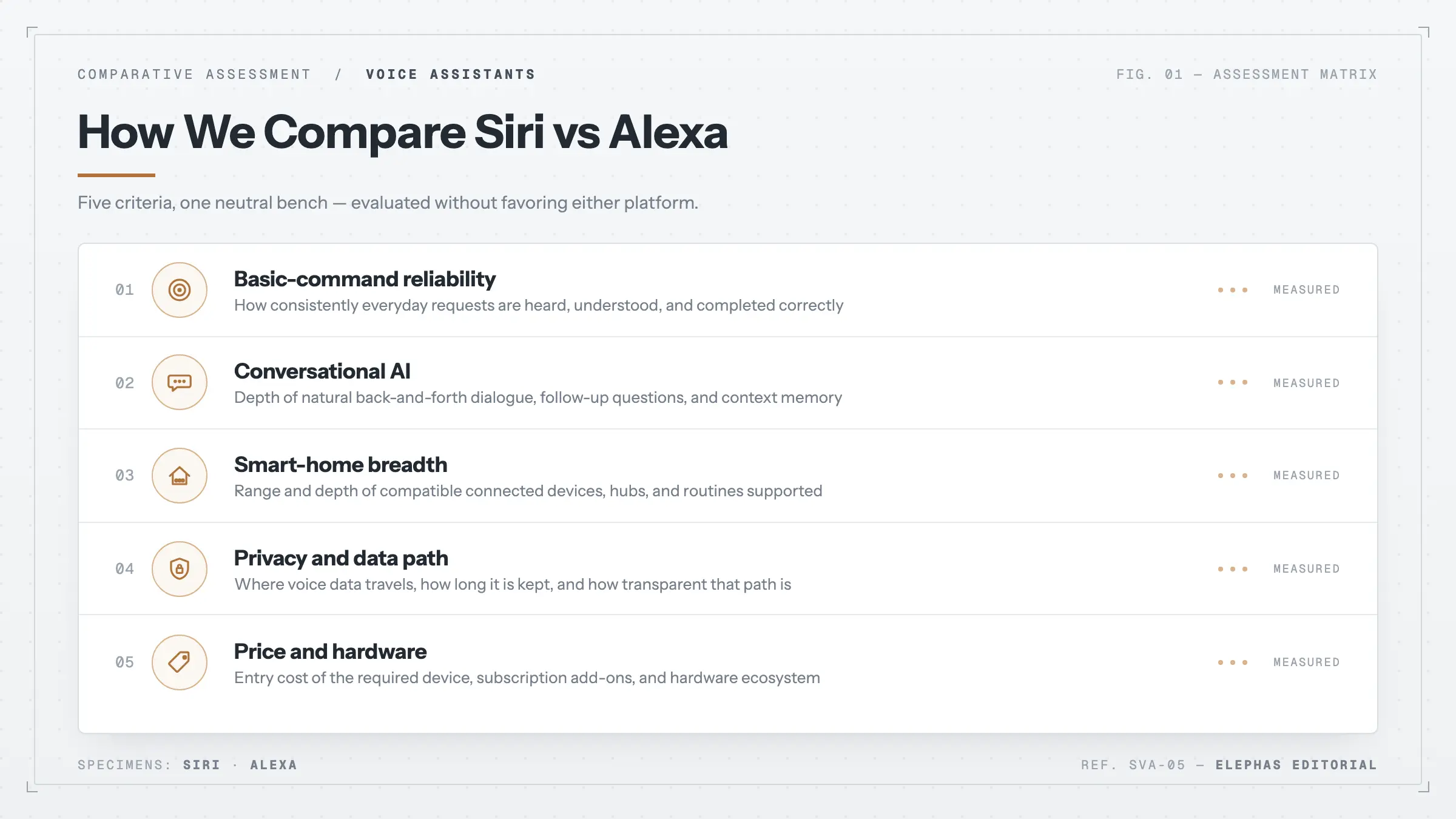
Five criteria decide this comparison, and basic reliability comes first. Real owners judge a virtual assistant on whether everyday voice commands work every time: setting timers, controlling lights, playing music, checking weather updates, making calls, and sending texts, not on benchmark scores.
After reliability come conversational skill, smart-home range, the privacy data path, and price with hardware. Privacy earns its own criterion this year because the 2026 overhauls changed where your voice is processed.
Reliability leads because that is what breaks trust. Alexa draws the same complaint Siri does. Wired's Rhys Rogers, in a review cited by 9to5Mac, wrote that Alexa+ "maneuvers like an unpredictable toddler smashing around and half-completing tasks," still failing simple commands despite the conversational marketing.
Privacy is a real criterion now. Amazon pulled the Do Not Send Voice Recordings setting, the only local option, which fewer than 0.03% of owners had ever used, in March 2025. A 2026 study by researchers found Siri scored highest for privacy compliance, while Alexa showed weaker retention transparency, per De Clark, Bobkova, and Shrestha.
- Reliability is weighted first because Reddit threads rank wrong texts, missed timers, and ignored commands above any new conversational trick.
- Privacy is scored on the actual data path, meaning local, private cloud, or standard cloud, and on retention, not on marketing labels.
- Price folds in hardware, because a free assistant still costs money if it only runs on hardware you have to buy.
- Google Assistant, the smart assistant now branded around Gemini and paired with Google Home speakers, is the third option many buyers weigh, but this guide sticks to the two that changed most.
- Both AI voice assistants are judged on the same everyday jobs first: whether asking Siri or Alexa to run a command, control a light, or answer a question actually works, not on demo reels.
What Does the New Siri Do After Apple Intelligence?
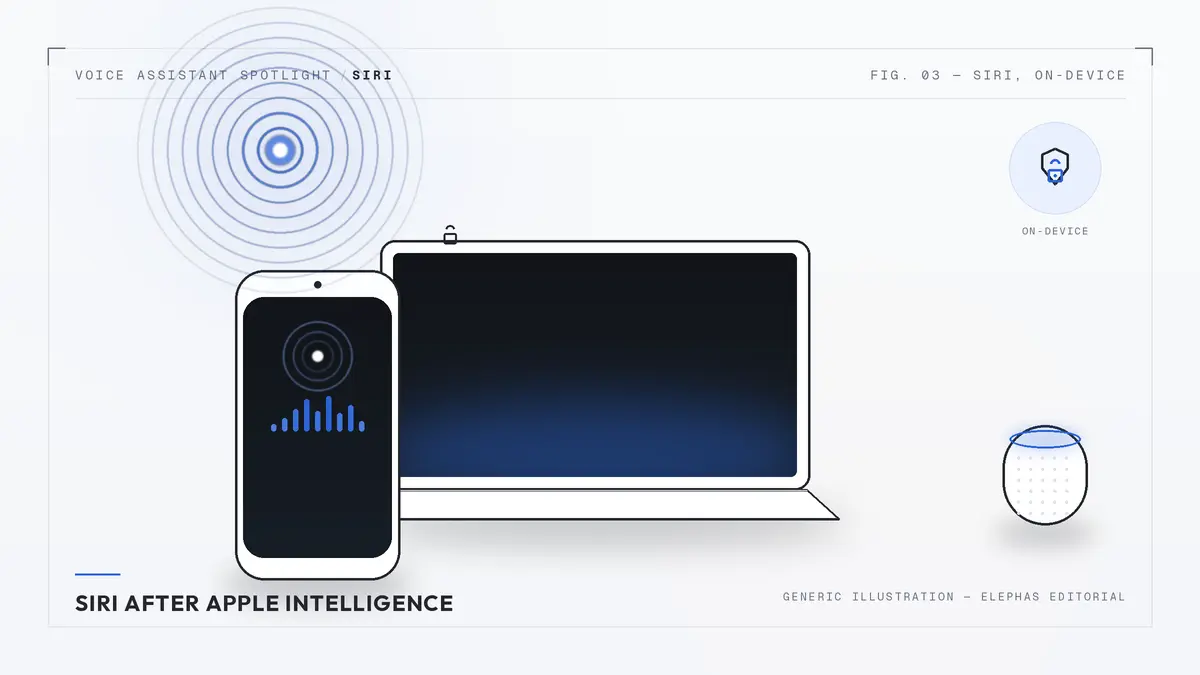
Siri AI is Apple's from-scratch 2026 rewrite of Siri, free with the operating system and the deepest voice assistant across Apple's ecosystem. It runs on Apple Foundation Models now built on Google Gemini, with a ChatGPT handoff when Siri cannot answer itself. The catch: it is hardware-gated and shaky on basics.
On conversational ability, the upgrade is real. Macworld said it was "impressed by what the new Siri can do," from parsing receipts to answering current-events questions using natural language. Fans praise the tight, free-with-the-operating-system integration across the whole Apple ecosystem.
"This fragmented and delayed rollout feels like a rare misstep." via r/apple
For smart home and music, Apple's assistant leans on Apple Home and Apple Music across the HomePod and $129 HomePod mini. It handles HomeKit and Matter devices, though non-Apple compatibility is narrower than Alexa's. Standard requests process on-device; heavier ones route to Private Cloud Compute, yet transcripts can be kept up to two years.
The rollout has real gaps. In June 2026, Apple confirmed the iPhone 15 (non-Pro), 14, 13, 12, and 11 can install iOS 27 but get none of the new features (MacRumors, June 2026). Apple executives conceded the earlier Siri was not reliable enough to ship, after a fourth delay (TechRadar).
"Apple has been hit with a federal lawsuit claiming that the company's promotion of now-delayed Apple Intelligence features constituted false advertising and unfair competition." via r/applesucks
- Apple announced Siri AI at WWDC on June 8, 2026, with a public beta in July (Apple Newsroom).
- Siri AI ships free with iOS 27, iPadOS 27, macOS 27, watchOS 27, and visionOS 27, with no separate Siri subscription (Apple Newsroom).
- One conversation history syncs through iCloud across iPhone, iPad, Mac, Apple Watch, and Apple Vision Pro.
- Only the ChatGPT model extension shipped in the July 2026 public beta; Claude, Gemini, and Grok were promised but not yet available (Techlicious).
- Personal-context search reaches only the Apple Mail app, so Gmail users get no email search.
- Siri allows hands-free Apple Shortcuts across Apple devices, and asking Siri to run a routine works well inside that ecosystem, one clear difference between Alexa and Siri.
- Security researcher Matthew Green of Johns Hopkins argues that even a well-built Private Cloud Compute cannot guarantee privacy once Siri hands tasks to outside models, because data can still flow outward once agents act on your behalf (Cryptography Engineering).
What Does Alexa Do Now After the Alexa+ Overhaul?
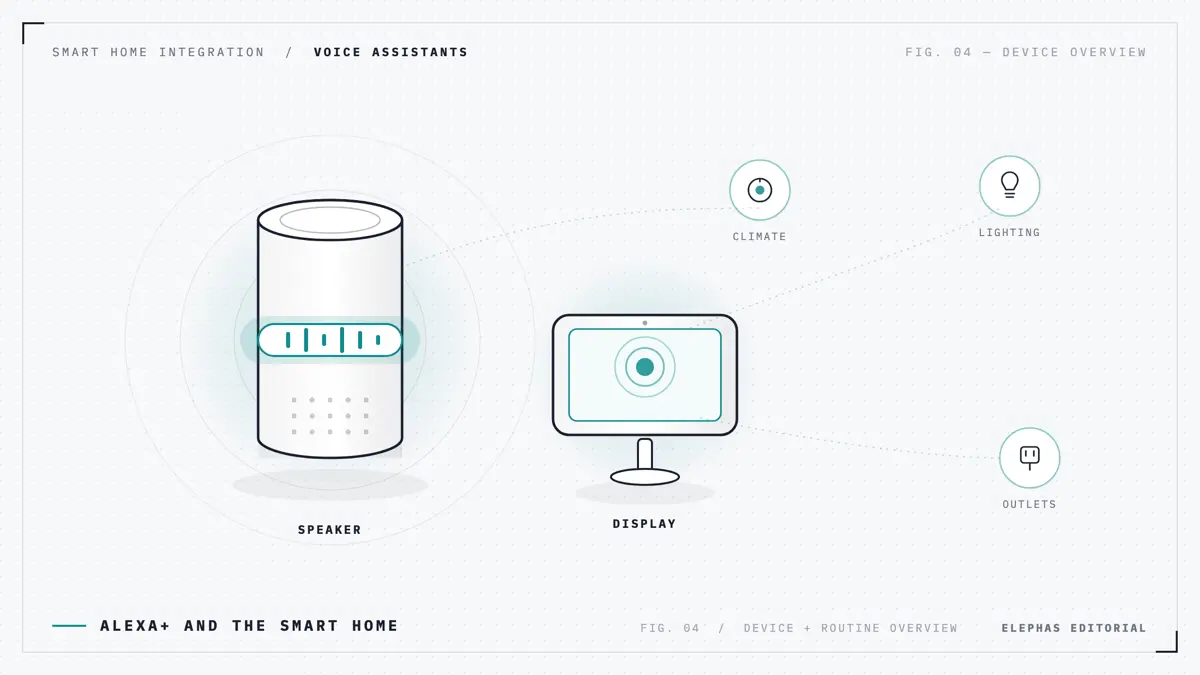
Alexa+ is Amazon's generative overhaul of Amazon Alexa, free for Prime members or $19.99 a month, with the broadest smart-home range in the category. Amazon made it available to all US users on February 4, 2026. The trade-off: it still fumbles basic tasks and no longer offers a local-only voice option.
On conversational ability, Alexa+ understands natural language, holds multi-day context, and takes action, not one command at a time. It adds an "Alexa for Shopping" agent that can search, compare, and buy. Many owners praise it, and Consumer Reports called it "a big step forward, especially as a way to control a smart home."
"Have you seen the new Alexa Plus? It's basically everything Apple promised with Siri in Apple Intelligence." via r/apple
Reliability is where Alexa+ still stumbles. Rogers's Wired review, cited by 9to5Mac, said it needed exact phrasing despite the conversational marketing. Consumer Reports, testing in December 2025, found it "got both my home address and the destination address wrong" when booking a ride, after confirming both addresses correctly.
"I signed up for it at the end of February and not a peep from Alexa or Amazon." via r/alexa
On privacy, Amazon moved the other way. It began pulling the Do Not Send Voice Recordings setting, the last option that kept Echo commands local, in March 2025, so every word now streams to Amazon's cloud. A 2023 FTC order fined Amazon $25 million over retained children's recordings, so check account settings and speaker placement.
- Pricing: free for Prime, $19.99 a month for non-Prime, plus a limited free chat-only tier (About Amazon, February 2026).
- Hardware spread is the widest in the category: the Echo Dot smart speaker at about $50, up to the premium Echo Show display near $300, with the standard Amazon Echo in between.
- It runs on Echo devices, Fire TV, any phone, and Alexa.com, and works with a far wider range of third-party devices, so compatibility with your existing smart devices rarely blocks it the way Apple hardware limits Siri.
- Alexa works with Google Calendar, streaming music services, and thousands of skills, and reviewers consistently rate its smart-home control as broader than Siri's.
- Documented misses beyond the ride booking: a saved recipe vanished after two weeks and a paired smart curtain went unrecognized for weeks (Consumer Reports).
- The generative model still hallucinates; Amazon's own AI lead said hallucinations have to be close to zero, a bar reviewers say it has not yet cleared (Futurism).
Head-to-Head: Alexa and Siri on Smart Home, Privacy, and Price
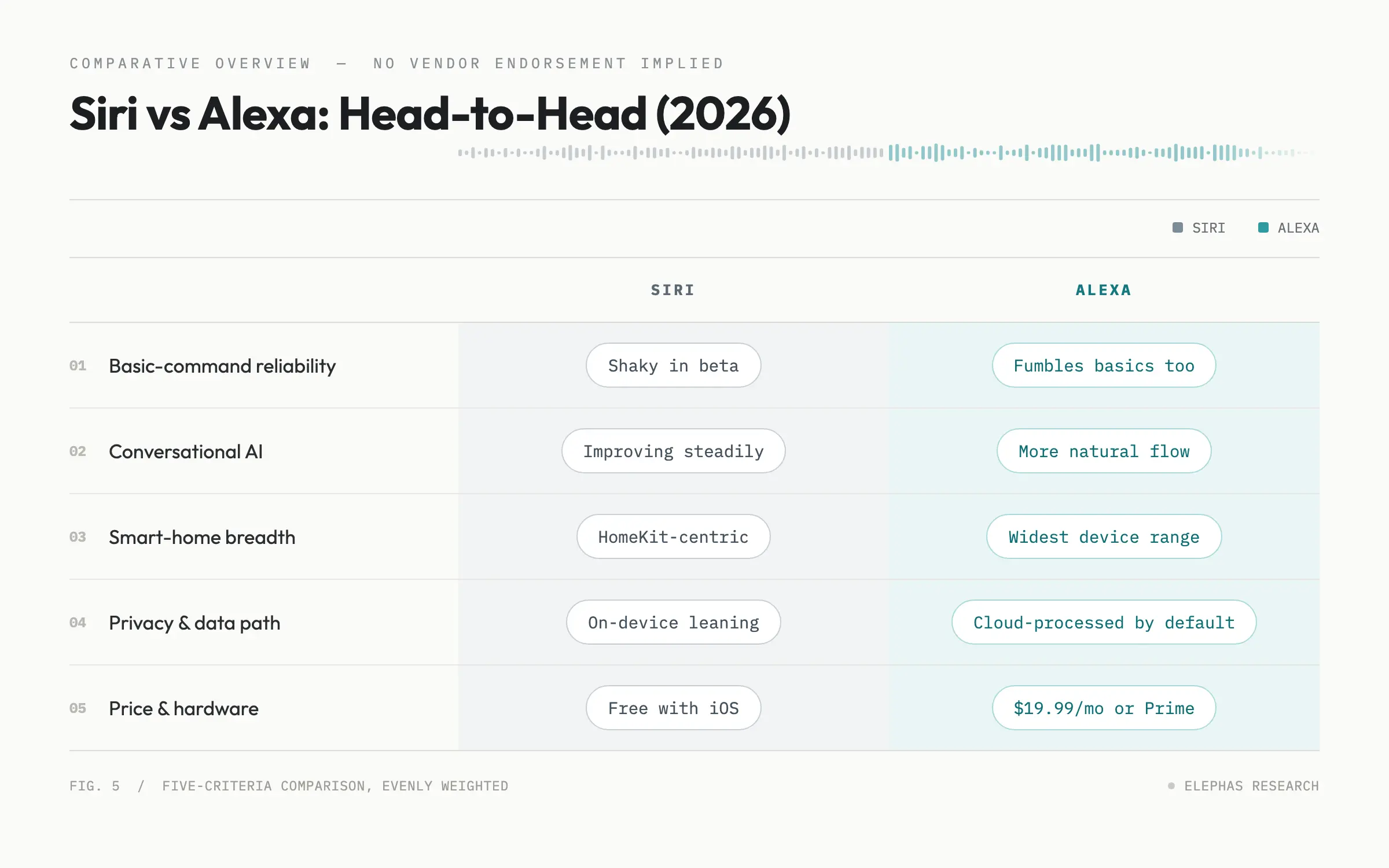
Siri wins on privacy architecture and price, Alexa wins on smart-home range and reach, and the two tie on the thing buyers care about most: both still miss basic voice commands. The table below lines up every criterion side by side, so the difference between Siri and Alexa is easy to scan.
| Criterion | Siri (Apple) | Alexa (Amazon) |
|---|---|---|
| Basic-command reliability | Shaky in the 2026 beta: ignored commands and misheard requests | Still fumbles basics; got both ride-booking addresses wrong |
| Conversational AI | Apple Foundation Models on Google Gemini, plus a ChatGPT handoff | Amazon's generative model, plus an Alexa for Shopping agent |
| Smart-home breadth | Apple Home plus Matter support; narrower third-party device range | Wide Matter support and more third-party devices; hardware about $50 to $300, broadest range |
| Privacy and data path | On-device on capable models plus Private Cloud Compute; transcripts kept up to 2 years | Wake word local, all audio to the cloud; last local-only opt-out gone by the Feb 2026 Alexa+ launch |
| Price and hardware | Free with the operating system; hardware-gated, excludes iPhone 15/14/13/12/11 | Free for Prime; $19.99/month otherwise; limited free chat tier |
| Cross-device reach | Apple hardware only; iCloud-synced Siri app | Any phone (iOS or Android), plus Alexa.com on the web |
Where Siri pulls ahead: on-device processing plus the auditable Private Cloud Compute design is a stronger privacy claim than any Echo makes, it costs nothing on top of the operating system, and nothing matches its reach across Apple devices.
Where Alexa pulls ahead: wider smart-home control and a broader hardware price range. That breadth has a hidden cost. A 2023 ACM study found Amazon used Echo data to target ads, with advertisers bidding up to 30x higher for Echo users and 41 advertisers syncing cookies with Amazon, per Umar Iqbal.
Where they tie is the basics. Apple executives conceded the earlier Siri was not reliable enough to ship (TechRadar), and the iPhone 15, 14, 13, 12, and 11 get none of the new features anyway (MacRumors). Reddit's mood said the same, and Alexa fumbles too, so neither company shipped a clean win.
"This Apple Intelligence is worse than prev gen Siri, not to mention the delays and what not." via r/IndiaTech
- On entry price the gap is concrete: an Echo Dot smart speaker starts near $50, while Siri's cheapest speaker, the HomePod mini, is $129, so an Alexa setup costs less to get started.
- The privacy gap is structural: Siri can process on-device, while every Alexa voice command now leaves the house (About Amazon, February 2026).
- Data has a downstream use: the Iqbal study tied Echo data to ad targeting, a cost that never shows up on the price tag.
- On compatibility, Alexa devices work with more third-party gear across a wider smart-home range, while Siri commands stay tied to Apple hardware.
- Compared to Alexa, Apple Siri offers narrower smart home control, but Siri works well inside the Apple ecosystem and keeps more of your data on-device.
- Unlike Siri, Alexa is compatible with far more devices and excels at broad home automation, which is a real edge if brand mix matters more than privacy.
Which Should You Pick: Siri or Alexa
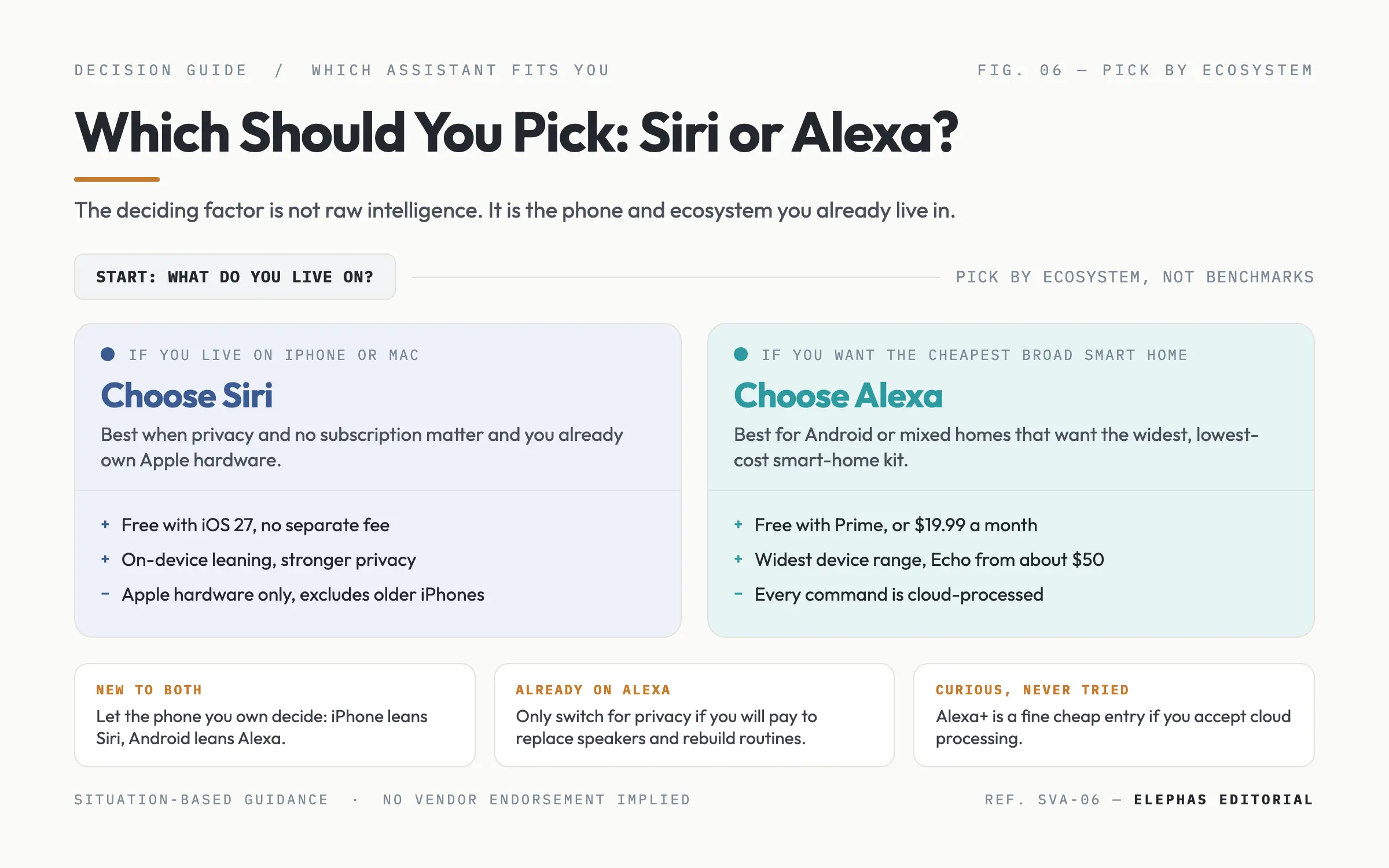
Different readers want different answers, so this comes down to where you are starting from. Reddit threads show the split plainly: some call the new Alexa+ "far, far better than anything Apple could dream of," while a privacy-minded owner "ditched it" over Amazon's subscription changes. The three situations below cover most buyers.
- New to both: go with Siri if you own an iPhone, and go with Alexa for the cheapest broad smart-home kit.
- Already on Alexa: only switch for privacy if you will pay to replace speakers and rebuild routines by hand.
- Curious but never tried: Alexa+ is a fine budget entry if you can live with cloud processing and the occasional wrong address.
The three situations above all assume you want a voice assistant. If the real reason you are choosing is privacy, there is a third option that is not a voice assistant at all. Elephas is a private AI knowledge assistant for Mac that takes the opposite route from Siri and Alexa, through automatic PII redaction, the feature it calls Smart Redaction.
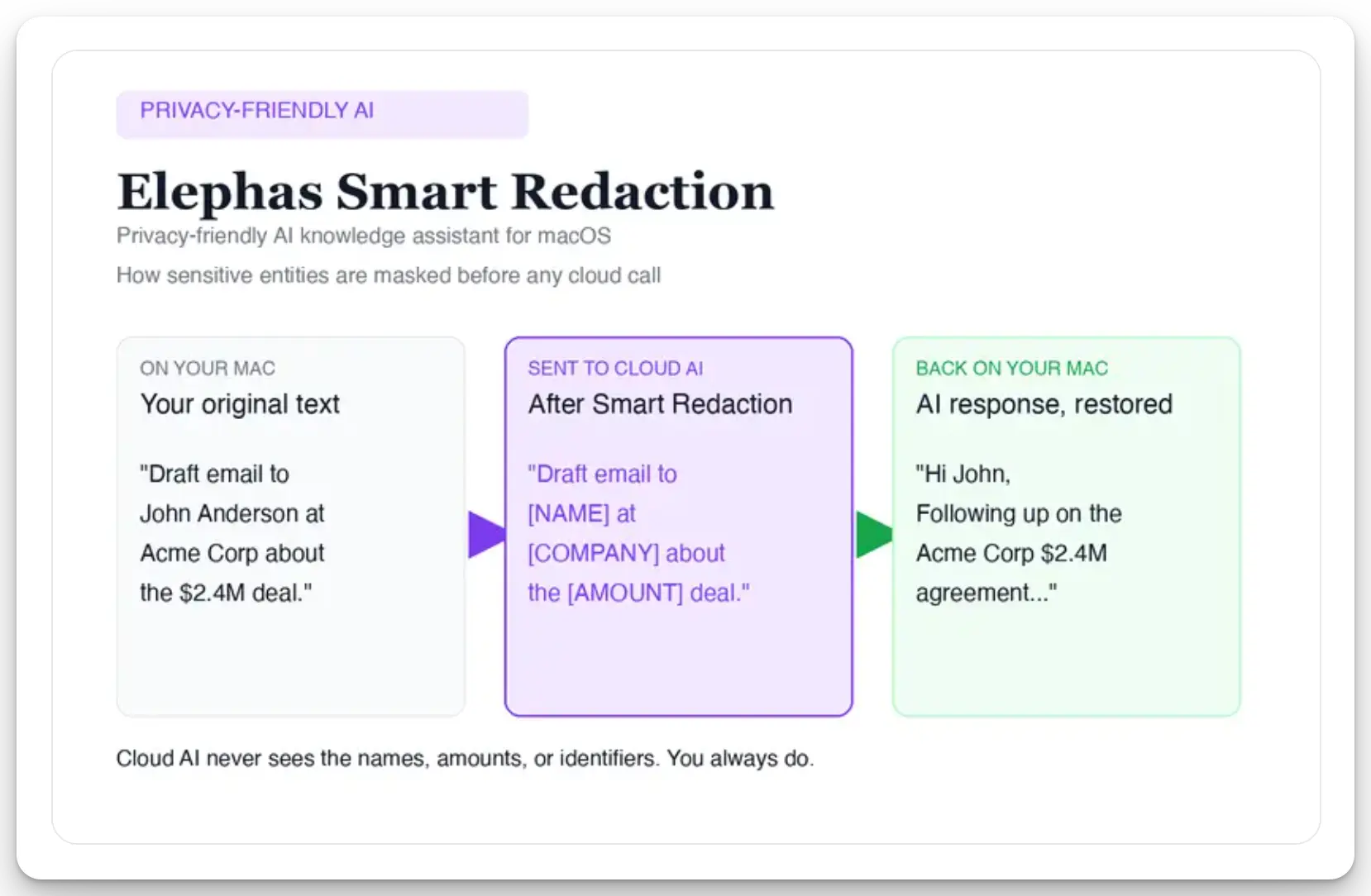
Before a prompt is sent to a cloud model like ChatGPT 5.5, Claude Opus 4.8, Gemini, Grok, or Perplexity, Elephas strips sensitive names, emails, phone numbers, and identifiers on your Mac. The cloud model only ever sees the sanitized text, and when the answer comes back, the redacted fields are reassembled locally on your machine, so identifiable information never leaves the device. Elephas pairs this with zero data retention: your content never trains AI models, never sits on a vendor's server, and never passes through a third-party reviewer's screen.
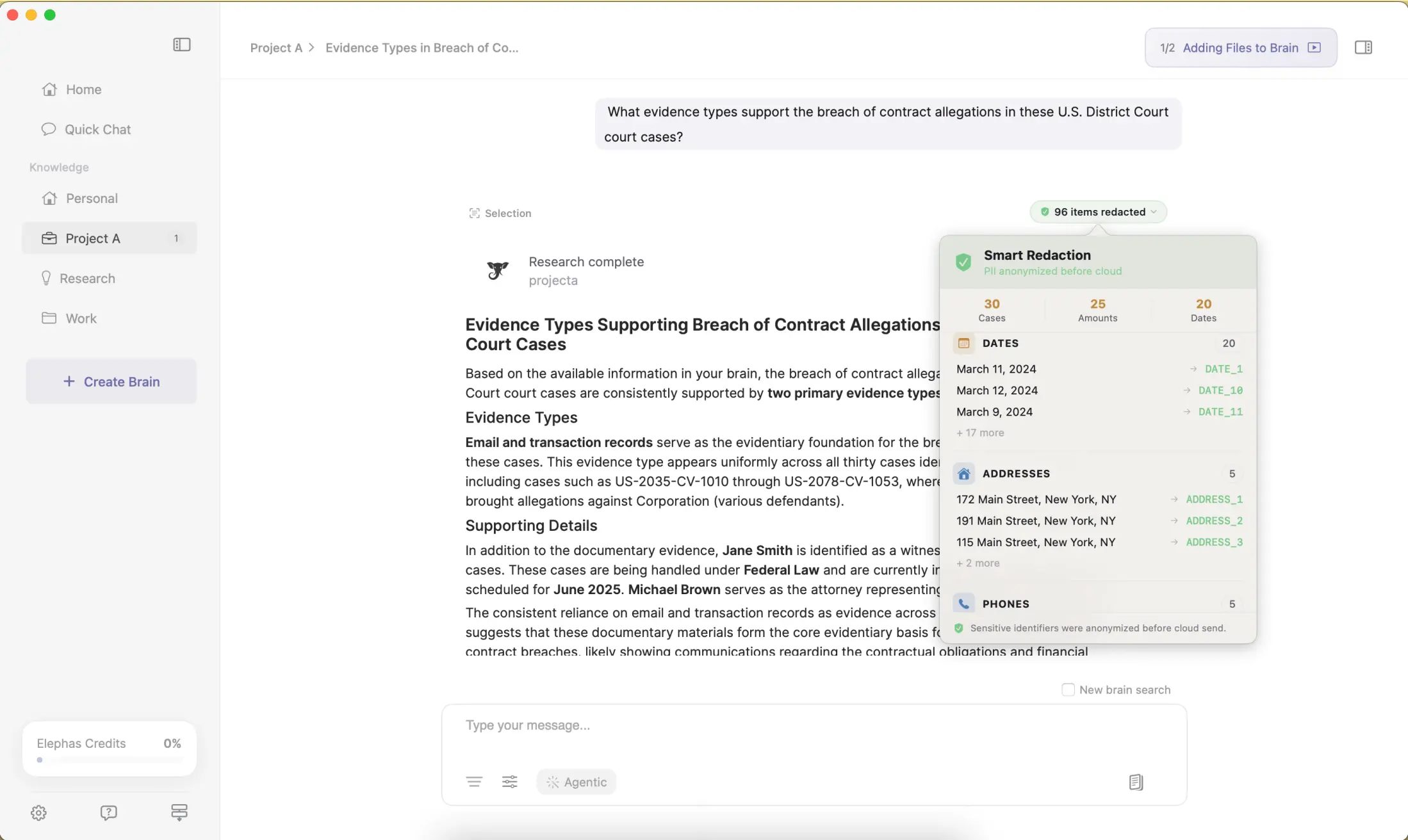
Redaction runs automatically on every plan, including the free tier, so you do not have to switch it on or think about it. It is the privacy layer that neither Siri's ChatGPT handoff nor Alexa's always-on cloud gives you.
The other half of Elephas is Super Brain, a personal knowledge base built from your own files. It reads more than 20 formats, from PDFs and Word docs to Apple Notes, Notion, Obsidian, and even YouTube videos, and indexes them locally on your Mac.
You can then ask questions in plain English and get answers with sources, drawn only from your own documents, so nothing has to be handed to a company assistant.
Beyond those two, Elephas writes and rewrites across every Mac app, summarizes long web pages and videos, and lets you choose the model you trust, including a fully offline local LLM. You can try Elephas for free, and paid plans start at $19/month.
The Verdict: Which Assistant Wins in 2026
Siri wins on privacy and price, Alexa wins on smart-home breadth and reach, and in 2026 neither wins on basic reliability.
For most people, ecosystem decides it: Siri suits Apple-first homes valuing stronger privacy, and Alexa suits anyone wanting the broadest, cheapest smart home. For someone new, pick by the phone you own. For an Alexa household, only switch if privacy is worth the rebuild cost. For a never-tried reader, Alexa+ is a fine cheap entry.
You may lean Siri for privacy, yet Alexa clearly wins on smart-home breadth, on hardware price range from about $50 to $300, and on cross-platform reach, since it works on any phone and the web. Siri has no answer to that spread. That is the honest counterweight to Siri's privacy edge.
The close is the same for both. Both still fail at basics, and both now send more of your voice to the cloud, so "which is smarter" is inseparable from "which one hears more of your life."
- Pick Siri if you live in the Apple ecosystem and want on-device-leaning privacy with no subscription.
- Pick Alexa if you want the widest, cheapest smart-home setup and do not mind a $19.99-a-month non-Prime fee and full cloud processing.
- Remember that neither is fully private after 2026: Alexa dropped its local-only option, and Siri routes hard questions through ChatGPT and a Google Gemini backend.
- If privacy is your real priority, the third option is not a voice assistant at all: Elephas keeps AI on your Mac and redacts sensitive names, emails, and numbers before any cloud model sees them, so you get AI help without an always-listening cloud speaker.
Frequently Asked Questions About Siri vs Alexa
Can Alexa replace Siri on an iPhone?
Not fully. You can install the Alexa app on an iPhone to play music, control smart home devices, set timers, and answer questions, but it cannot send iMessages, trigger Apple Shortcuts hands-free, or replace the built-in "Hey Siri" on the lock screen. Alexa runs alongside Siri, it does not swap in for it.
Can Siri and Alexa run in the same house together?
Yes. Many households keep Echo speakers for smart-home routines and use Siri on their iPhones and Macs. Matter-certified bulbs and plugs can even pair with both at once through multi-admin, so a single light works from either assistant without duplicate setup.
Is Alexa+ worth $19.99 a month if I am not on Prime?
The value depends on how you use it. Prime members pay nothing extra, so the fee only hits non-Prime users. For heavy smart-home and shopping use it can pay off, but Consumer Reports still found basic task failures in December 2025, so test the limited free chat tier before you commit.
How do Siri and Alexa compare with Google Assistant?
Google Assistant, now branded around Gemini, sits between them: broader smart-home support than Siri, and tighter Android and search ties than Alexa, with Google Home and Google Nest speakers as its hardware.
On raw smart-home reach the Alexa vs Google race is close, and Android buyers weighing Google Assistant and Siri may find Google better than Siri for broad support across Android devices. This guide focuses on Alexa and Siri because both changed the most in 2026.
Are Siri and Alexa always recording everything I say?
No, but false activations happen. A 2020 study that played 134 hours of TV audio found 0.95 accidental wake-ups per hour, with no evidence of constant recording, per Dubois, Choffnes, and colleagues. Wrong wake words can still send short clips to the cloud, so speaker placement and mic-off buttons matter.
Which assistant is better for a mixed Android and Apple household?
Alexa, usually. It runs on any phone and the web, so a mixed household can control the same devices from iPhones, Android phones, and browsers. Siri stays locked to Apple hardware, so a non-Apple family member cannot use it at all, which makes Alexa the better option here.
How hard is it to switch from Alexa to Apple Home?
It takes some work. Matter-certified bulbs, plugs, and switches from recent years re-pair to Apple Home in 15 to 45 minutes with no rebuy. But Ring and Blink cameras have no HomeKit path, every Alexa Routine must be rebuilt by hand, and each Echo speaker needs a HomePod to replace it.

Related Resources
Apple's Siri AI Overhaul: Standalone App, Third-Party AI, and the iOS 27 Reboot
Apple is preparing the biggest Siri overhaul since 2011. iOS 27 brings a standalone Siri app, third-party AI extensions for Claude, Gemini, and Grok, and Google powering the core.
10 min readArticleIs Siri an AI? What Apple's New Siri Actually Is
Siri has always been a narrow AI. The new Apple Intelligence Siri is a real LLM, with on-device models, Private Cloud Compute, and an optional third-party model you choose (ChatGPT, Claude, or Gemini). Here is what changed and what leaves your Mac.
7 min readArticleIs Siri AI Private? What It Can Access, and What That Means for Sensitive Work
Apple's new Siri AI reads your messages, emails, photos, and screen. Here's what Private Cloud Compute protects, where your data still goes, and how to use AI safely on sensitive work.
8 min readComparisonSiri vs ChatGPT for Confidential Work
Siri feels private and ChatGPT drafts faster. See which one actually protects confidential client and patient data, plus a safer way to use both AI tools.
15 min read